




The Girth and Its Role: Safety and Comfort in One
The Girth – a Key Piece of Equestrian Tack
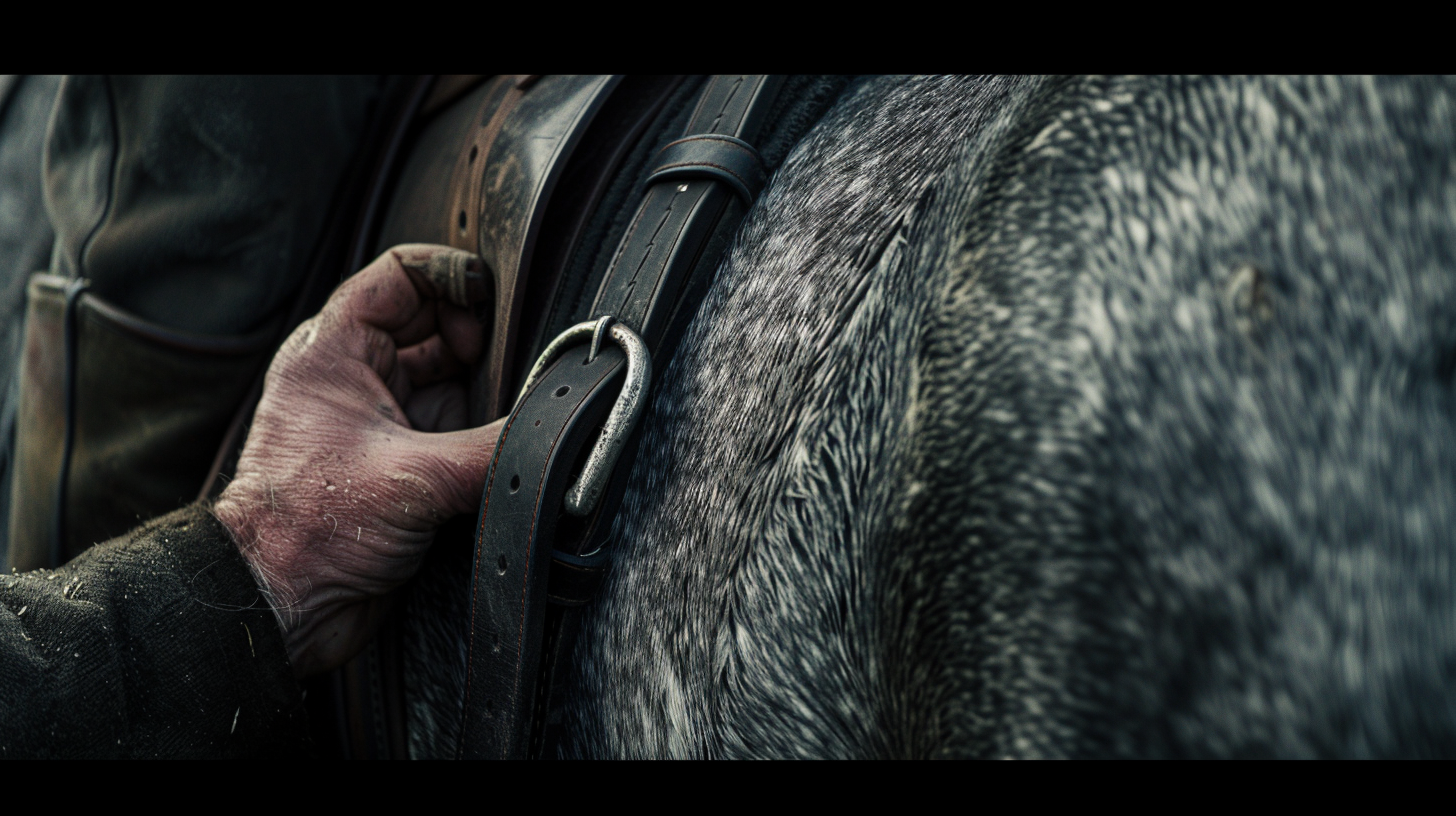
A girth is one of the most important parts of equestrian tack, playing a crucial role in stabilizing the saddle on the horse’s back. It is a strap that passes under the horse’s belly and fastens on both sides of the saddle. Its main purpose is to ensure stability and safety during riding. The girth prevents the saddle from shifting as the horse moves, giving the rider confidence and control, while allowing the horse to move freely without discomfort.
Ensuring Safety with the Right Girth
One of the girth’s main functions is to keep the saddle in a stable position, which directly affects the rider’s safety. With a properly selected and correctly fastened girth, the saddle will not shift or rotate—something that is especially important during dynamic movements such as canter work, turns, or jumps. The girth also helps prevent the saddle from slipping off accidentally, minimizing the risk of a fall. For beginner riders, the saddle stability provided by a girth builds confidence and allows them to focus on learning.
The Horse’s Comfort – Proper Girth Fit
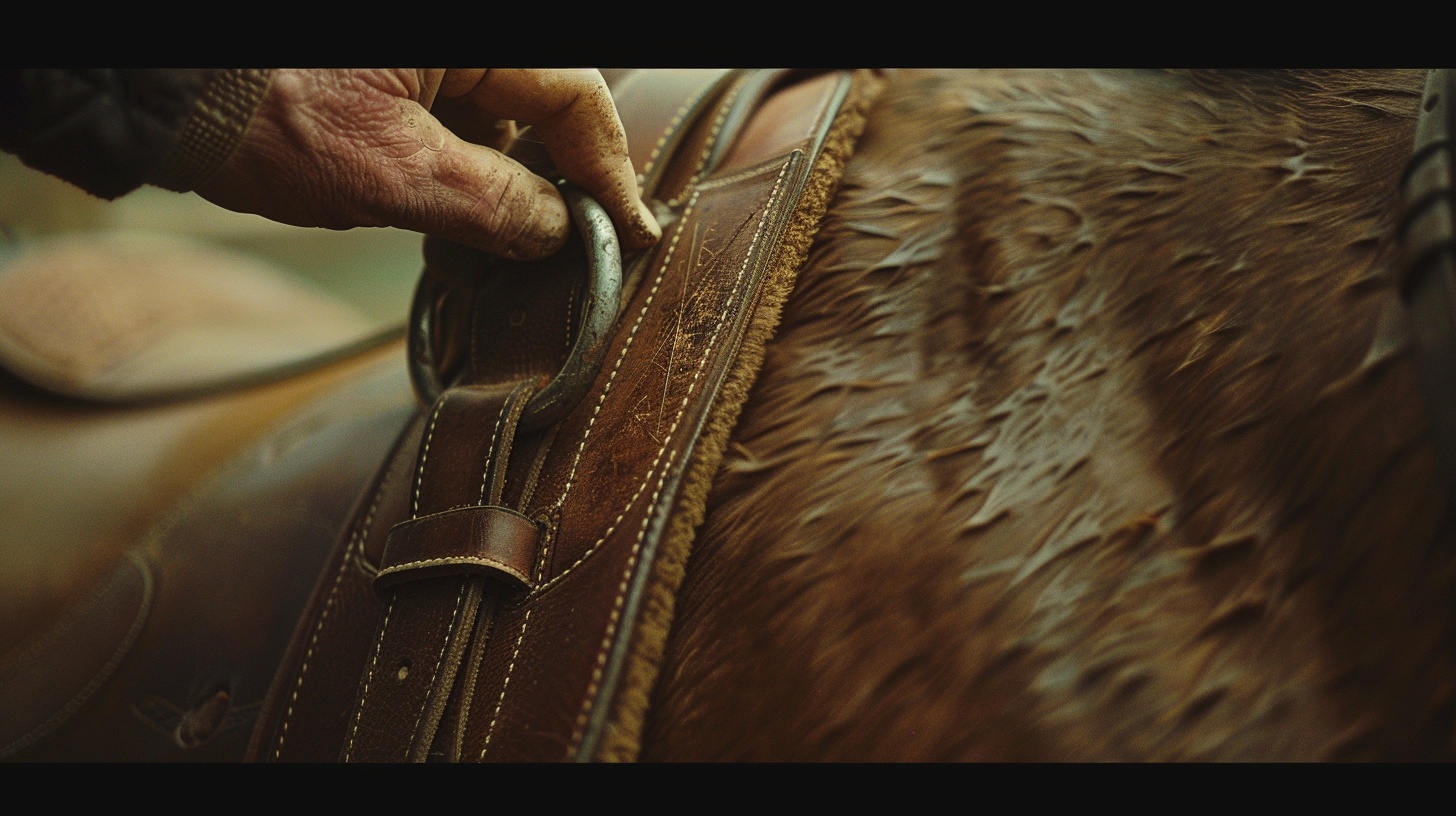
A girth affects not only the rider’s safety but also the horse’s comfort. A poorly chosen girth or fastening it too tightly can lead to chafing and even pain for the horse. That’s why it’s important for the girth to fit properly—both in terms of length and material. Girths made from soft materials such as neoprene or leather provide greater comfort and reduce the risk of rubs. In addition, some girths feature elastic ends that adapt to the horse’s movement, allowing for easier breathing and improved comfort.
How to Choose a Girth to Ensure Comfort and Safety?
When choosing a girth, consider your riding style, the type of saddle, and the horse’s conformation. For horses with a broader barrel, wider girths often work better because they distribute pressure more evenly. It’s also important to choose the right girth length—one that’s too short can restrict the horse’s freedom of movement, while one that’s too long may not provide adequate stability. If you plan longer rides, padded girths or models with shock-absorbing features can be an ideal choice, as they improve the horse’s comfort and reduce tension across the back.
Regular Girth Care for Durability and Comfort
For a girth to perform its function properly and remain comfortable for the horse, it requires regular care. After each ride, it’s a good idea to wipe the girth to remove sweat, dust, and dirt—especially if it’s made of leather. Leather girths should be conditioned regularly to maintain their flexibility and to prevent rubbing. Synthetic girths are easier to maintain and often only need basic cleaning. Regular girth care extends its lifespan and helps ensure comfort and safety for both horse and rider for years to come.