




Rider Comfort and Safety
The saddle plays a key role in ensuring the rider’s comfort and safety. Its proper design helps maintain a stable position in the saddle, which is especially important during more dynamic movements such as cantering or jumping.
A well-fitted saddle allows the rider to keep their legs securely in the stirrups, which makes it easier to control the horse and prevents accidental slipping. Thanks to this, the rider can feel safe and fully focus on working together with the horse.
A well-fitted saddle allows the rider to keep their legs securely in the stirrups, which makes it easier to control the horse and prevents accidental slipping. Thanks to this, the rider can feel safe and fully focus on working together with the horse.

Even Distribution of Weight on the Horse’s Back
The saddle not only supports the rider but also protects the horse’s back. A well-designed and properly fitted saddle allows the rider’s weight to be distributed evenly, reducing pressure on the spine and preventing discomfort for the animal.
Without a saddle, the rider would apply point pressure directly on the horse’s spine, which could lead to pain and injuries. The saddle therefore acts as a form of cushioning, protecting the horse from excessive strain and enabling healthy and comfortable riding.
Without a saddle, the rider would apply point pressure directly on the horse’s spine, which could lead to pain and injuries. The saddle therefore acts as a form of cushioning, protecting the horse from excessive strain and enabling healthy and comfortable riding.
Stability and Control While Riding
A saddle allows the rider to have better control over the horse by maintaining a stable position. The shaped seat, properly positioned stirrups, and girth ensure that the rider can confidently and precisely transmit signals to the horse.
Saddle stability also affects the rider’s balance, which is crucial when guiding the horse through turns, bends, or changes in pace. As a result, the saddle enables better communication between the rider and the horse, leading to more harmonious cooperation.
Saddle stability also affects the rider’s balance, which is crucial when guiding the horse through turns, bends, or changes in pace. As a result, the saddle enables better communication between the rider and the horse, leading to more harmonious cooperation.
Supporting Proper Rider Posture
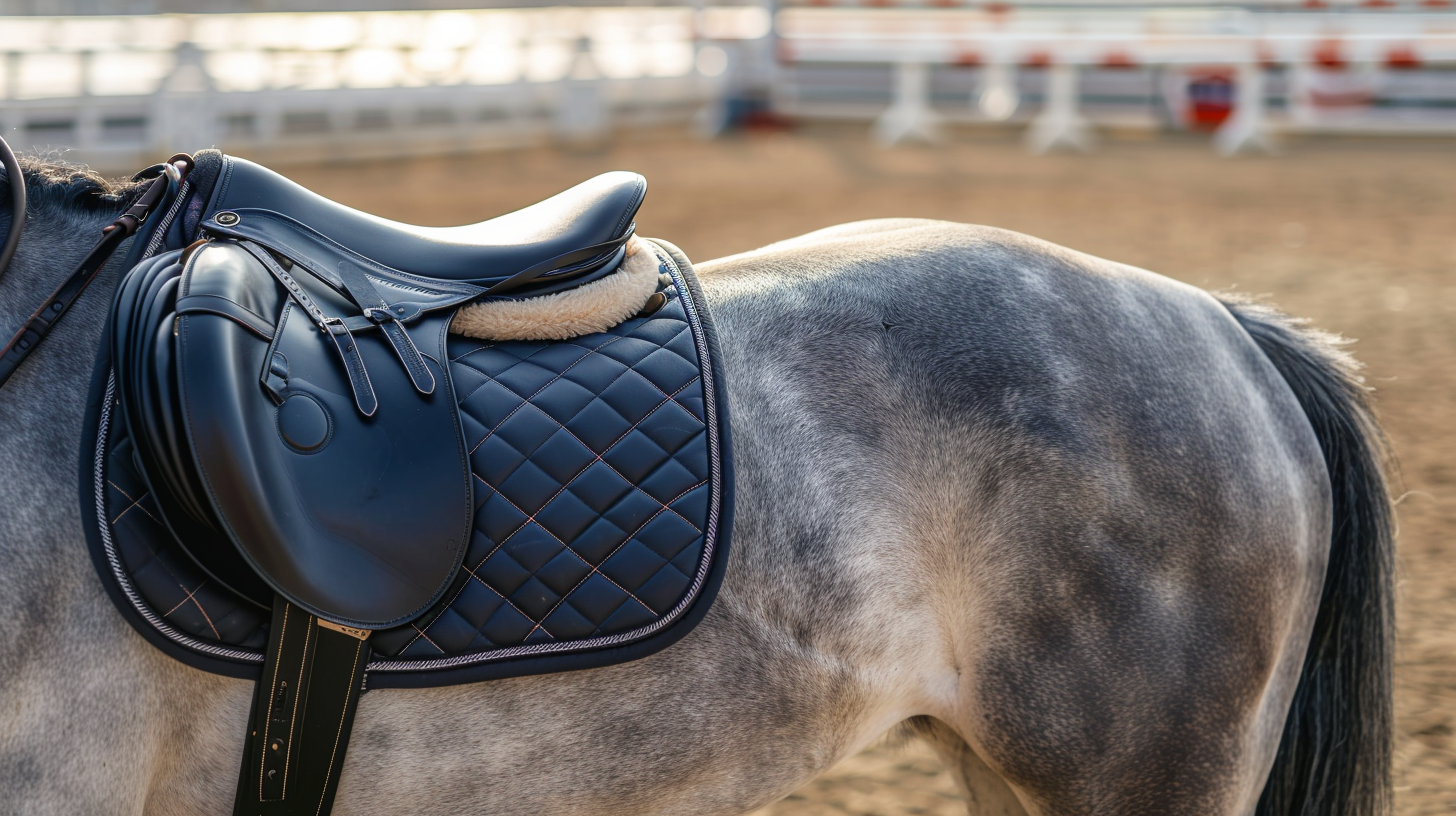
Proper posture in the saddle is extremely important both for riding efficiency and the rider’s health. A well-fitted saddle supports an upright body position, which improves balance and minimizes the risk of injury.
The saddle also helps riders learn the correct leg position and develop natural balance, which is essential for beginners. Thanks to this, riders learning from the beginning develop good habits that help them achieve better results and avoid improper strain on the body.
The saddle also helps riders learn the correct leg position and develop natural balance, which is essential for beginners. Thanks to this, riders learning from the beginning develop good habits that help them achieve better results and avoid improper strain on the body.
Adapting to Different Riding Styles and Needs
A saddle also allows riders to specialize in different riding styles. There are many types of saddles available on the market, including dressage, jumping, western, and all-purpose saddles—each designed for different needs and riding techniques.
A jumping saddle allows greater freedom of movement during jumps, while a dressage saddle supports precise and controlled riding. This variety allows riders to choose a saddle that matches their individual needs and riding style, providing greater comfort and efficiency during horseback riding.
A jumping saddle allows greater freedom of movement during jumps, while a dressage saddle supports precise and controlled riding. This variety allows riders to choose a saddle that matches their individual needs and riding style, providing greater comfort and efficiency during horseback riding.