The first step in choosing a saddle is to determine what type of riding it will be used for. If you’re just starting out in the equestrian world and want to try different styles, it’s worth considering an all-around saddle that will work for most basic activities. For those who already know that they will be training in a specific style – for example, dressage or jumping – it is best to choose a saddle tailored to that discipline to ensure maximum comfort and efficiency while riding.
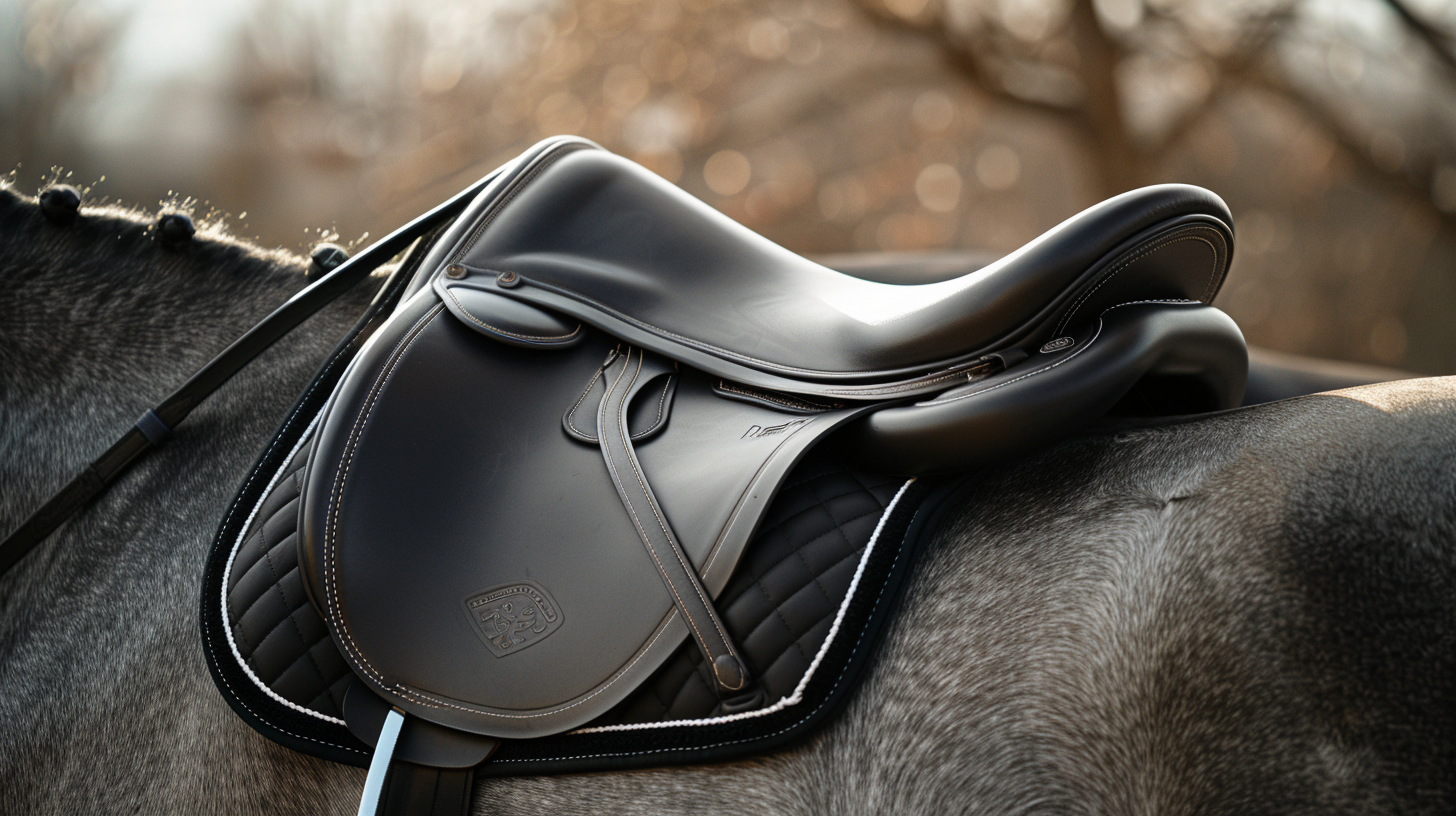
A well-fitting saddle size is crucial for both rider and horse comfort. When choosing a saddle, make sure the seat is large enough for you to feel stable and have freedom of movement, but at the same time not too bulky, which can affect your balance. There are different gauges for the width of the saddle, which should be matched to the structure of the horse’s back, so it’s a good idea to consult with someone experienced in saddle fitting to avoid discomfort and possible injury to the horse.
The materials of a saddle affect its durability, appearance and comfort. Traditional leather saddles are durable and aesthetically pleasing, but require regular maintenance. Alternatively, synthetic saddles are lighter and easier to maintain, making them a popular choice for beginners. When choosing a saddle, it is worth paying attention to the quality of workmanship – sturdy stitching, stable stirrups and a properly fitted girth will ensure durability and safety while riding.
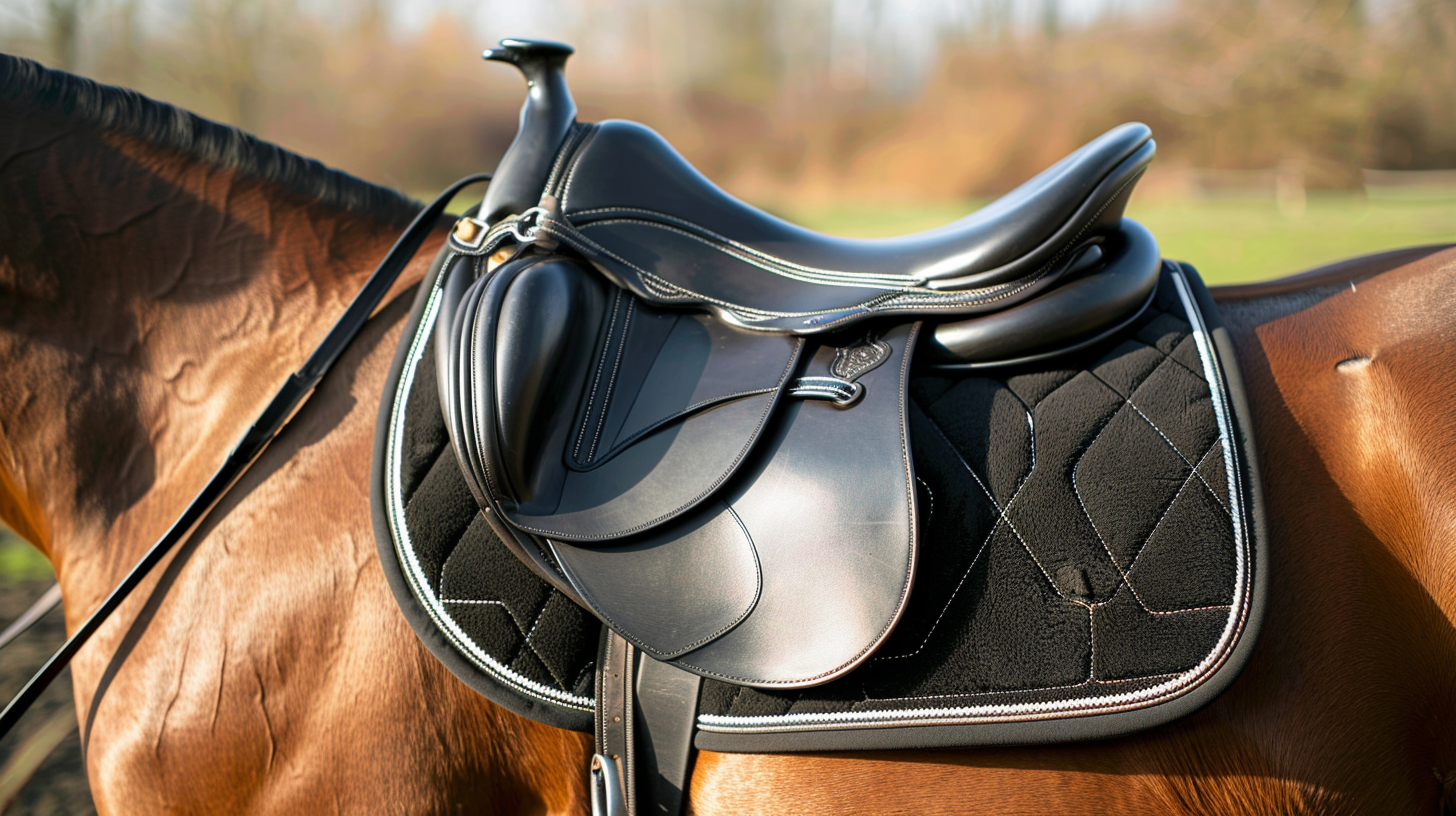
When trying on a saddle, keep your own comfort in mind. See if the seat is comfortable and the stirrups can be easily adjusted to suit your leg length and riding style. Your choice of saddle should take into account how you feel in the saddle – whether you have adequate support and can assume a stable position without difficulty. Some saddles allow you to adjust the elements, making them more versatile and adaptable to different riders and horses.