




Choose the Right Outfit
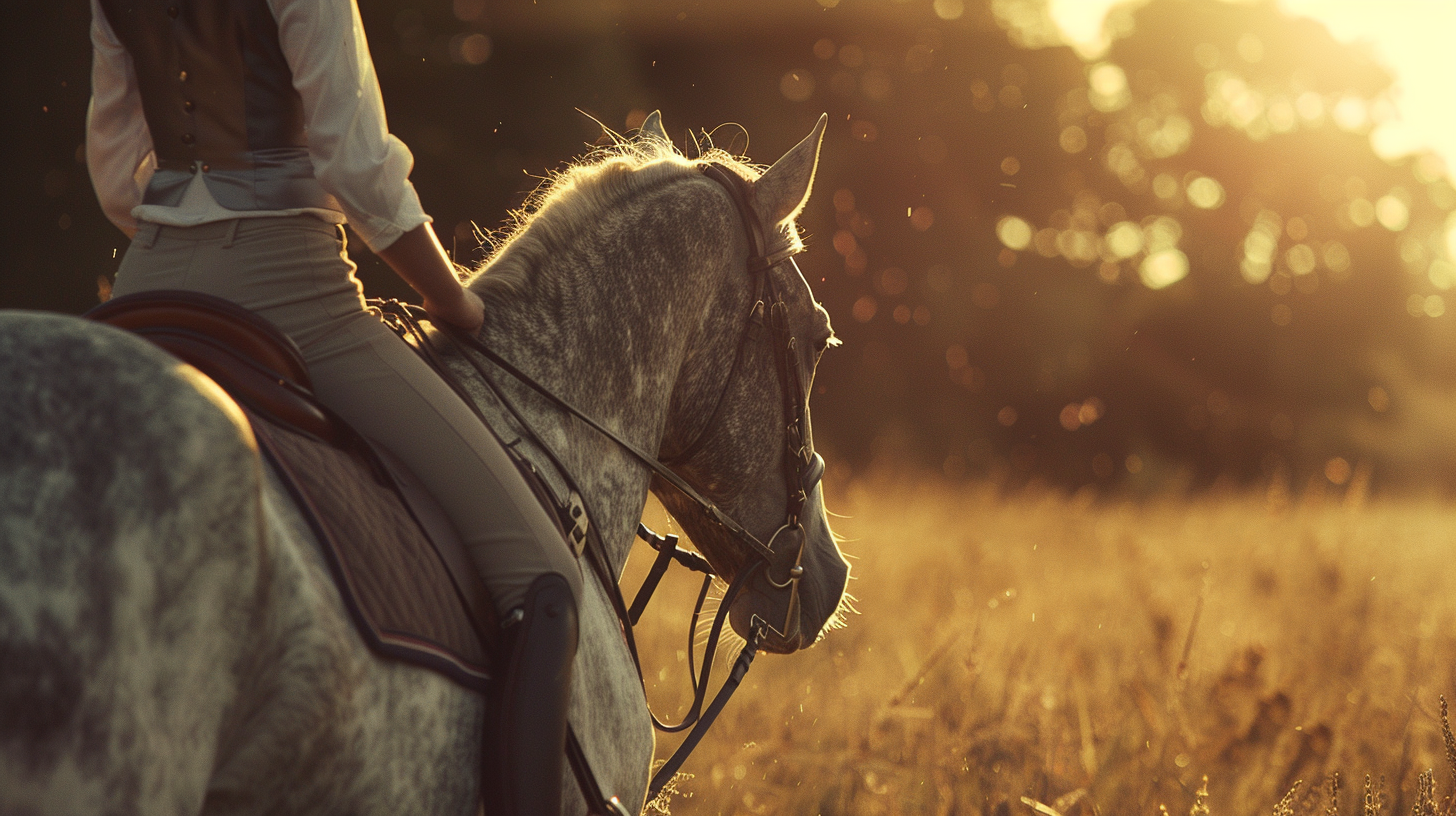
Before your first horse riding lesson, it’s important to prepare comfortable and appropriate clothing. The most important item is a helmet, which you can often borrow from the stable—it is essential for your safety. Properly fitted flat boots with a small heel will prevent your foot from accidentally slipping out of the stirrup.
At the beginning, flexible clothing that does not restrict movement will be sufficient. If you plan to continue taking lessons, it is worth investing in riding breeches and gloves, which increase riding comfort and protect your hands from chafing.
At the beginning, flexible clothing that does not restrict movement will be sufficient. If you plan to continue taking lessons, it is worth investing in riding breeches and gloves, which increase riding comfort and protect your hands from chafing.
Learn the Basic Safety Rules
Horses are calm animals, but they can react to stimuli from their surroundings, which is why it is important to learn the basic safety rules. Before the lesson, it is good to know how to approach a horse correctly, what gestures to avoid, and how to behave so the horse feels comfortable around you.
During the first lesson, the instructor will introduce you to these rules and explain how to react to the horse’s behavior. Remember that calmness and composure are key to building a good relationship with the animal.
During the first lesson, the instructor will introduce you to these rules and explain how to react to the horse’s behavior. Remember that calmness and composure are key to building a good relationship with the animal.
Prepare to Work with an Instructor
Your first lesson is also an introduction to the world of horse riding under the supervision of an experienced instructor who will guide you step by step through the entire process.
It is important to be open to their advice and ask questions so that you feel more confident. The instructor will explain how to prepare the horse, help you mount, and ensure your safety during the ride. They will also provide valuable tips on maintaining balance, communicating with the horse, and using basic riding aids.
It is important to be open to their advice and ask questions so that you feel more confident. The instructor will explain how to prepare the horse, help you mount, and ensure your safety during the ride. They will also provide valuable tips on maintaining balance, communicating with the horse, and using basic riding aids.
Check out Equinox products!
Building the Foundation of Trust and Comfort
The main goal of the first ride is to help the rider trust the horse and feel safe. Balance and physical development are important, but trust creates the foundation for further learning.
For this reason, beginner lessons should be relatively short—ideally up to 30 minutes—to avoid overloading muscles and discouraging the rider.
For this reason, beginner lessons should be relatively short—ideally up to 30 minutes—to avoid overloading muscles and discouraging the rider.
Prepare for Simple Balance Exercises
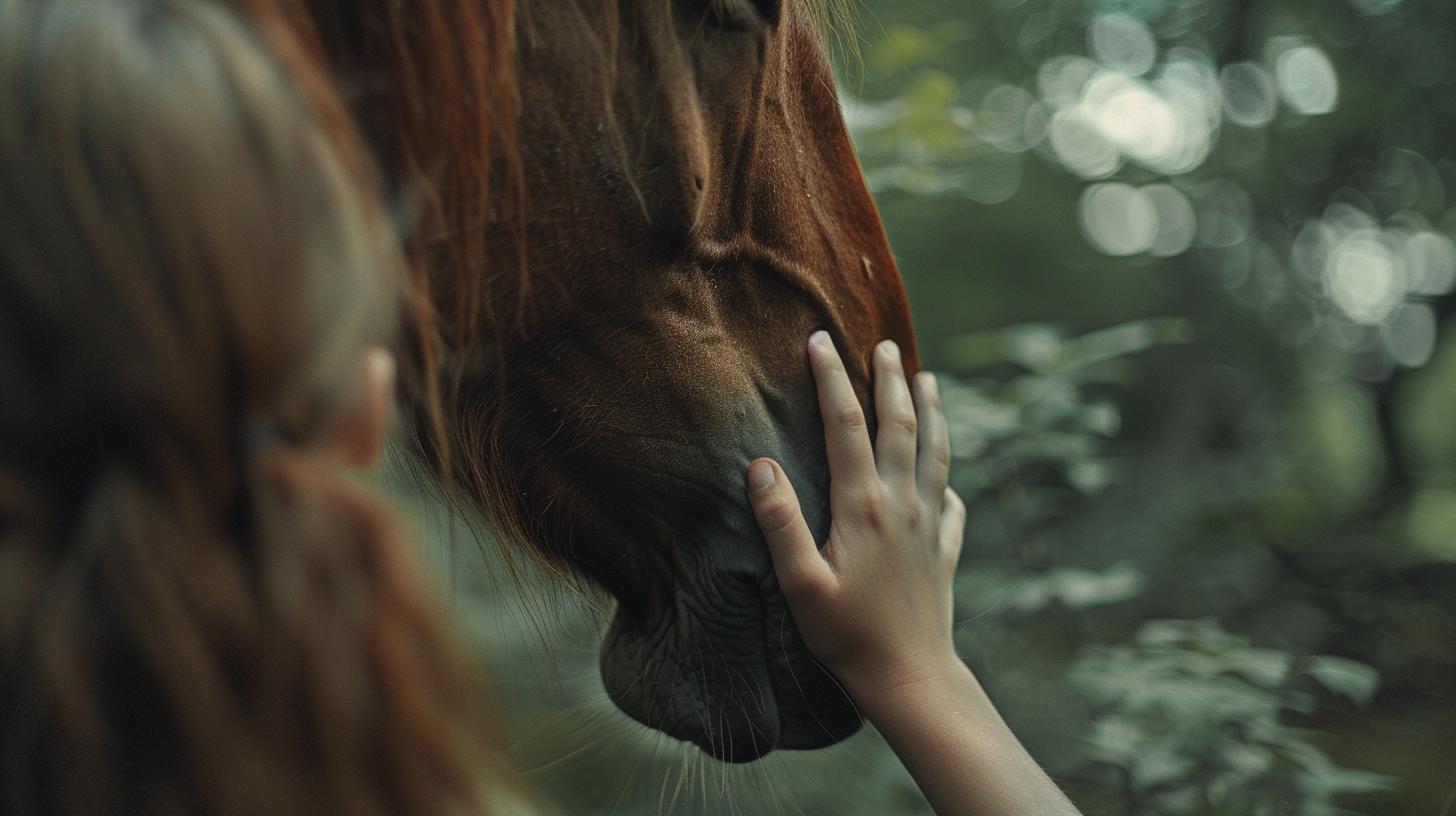
During your first lesson, you don’t have to go on a full ride right away. It usually consists of simple exercises that help you get used to the horse’s movements and maintain balance.
The instructor may ask you to perform small movements, such as raising your arms or slightly shifting your body, so you can feel how your body works while sitting on the horse. These first exercises help you become familiar with the horse’s presence and build confidence in the saddle.
The instructor may ask you to perform small movements, such as raising your arms or slightly shifting your body, so you can feel how your body works while sitting on the horse. These first exercises help you become familiar with the horse’s presence and build confidence in the saddle.
Stretching and Relaxation
The instructor may introduce various stretching exercises performed both in the saddle and while the horse is standing still. These may include gently touching different parts of the horse’s body, swinging your arms and legs, or light body movements that help you get used to the horse’s motion and maintain balance in the saddle.
Relaxation exercises are also important. These may include closing your eyes while extending your arms to the sides, listening to the rhythm of the horse’s steps, or gently leaning forward onto the horse’s neck. These activities help reduce tension, increase body awareness, and build confidence when interacting with the horse.
Relaxation exercises are also important. These may include closing your eyes while extending your arms to the sides, listening to the rhythm of the horse’s steps, or gently leaning forward onto the horse’s neck. These activities help reduce tension, increase body awareness, and build confidence when interacting with the horse.
Practical Exercises and Development of Riding Skills
Exercises Preparing for Walk and Trot
Basic exercises include:
- standing in the stirrups while maintaining a correct upright posture
- learning the two-point position at a walk with gentle support on the horse’s neck
- short sections of sitting trot, first with hand support and later without it, to develop balance and stability
Proper Exercises and Learning to Post the Trot
As the rider becomes more confident, exercises may include:
- maintaining a two-point position during movement and trot, both with and without hand support
- learning to post the trot at a walk and trot, with eyes closed and with full visual focus
- smooth transitions from posting to the two-point position
Gradually, riders also learn how to use their legs to move and steer the horse, manage the reins, turn, and combine aids from legs, seat, and reins.
Learning Time and Training Frequency
Progress depends on the rider’s individual abilities. Some people learn exercises faster, while others need more time. It is recommended to plan 1–3 lessons per week to reinforce newly learned skills while avoiding muscle fatigue and mental overload.
Common Posture Mistakes and Corrective Exercises
- Body stiffness – often appears due to fear or lack of confidence. It can be reduced through relaxation exercises and riding without stirrups, which helps the rider better feel the horse’s movement and release tension.
- Excess energy – especially common among children or beginners who become easily distracted. Introducing short and engaging tasks helps focus attention and channel excess energy constructively.
- Lack of support in the stirrups, legs, and knees – makes it harder to maintain a stable riding position. Two-point exercises and riding without stirrups help strengthen leg muscles and teach proper support.
- Slouching – usually caused by a lack of posture awareness or weak back and shoulder muscles. Exercises performed without using hands, with arms extended to the sides, strengthen the core muscles, improve posture, and help maintain balance.
Maintain a Positive Attitude and Patience
Finally, the most important thing is to approach the experience with patience and openness. Horse riding requires cooperation with the horse, and the beginning may feel slightly stressful, especially if you have never been around these animals before.
Remember that every lesson is a step toward understanding horses better and enjoying the experience of riding. Trust your instructor and enjoy the process—what initially seems challenging quickly becomes a source of satisfaction and wonderful memories.
Remember that every lesson is a step toward understanding horses better and enjoying the experience of riding. Trust your instructor and enjoy the process—what initially seems challenging quickly becomes a source of satisfaction and wonderful memories.
What Should You Bring to Your First Horse Riding Lesson?
The most important item is a helmet for safety. It is also recommended to bring comfortable boots with a small heel, gloves to protect your hands, and flexible clothing that does not restrict movement. Many stables allow you to borrow equipment, but having your own gear can increase comfort.
What Happens During the First Horse Riding Lesson?
During the first lesson, you usually get to know the horse and learn the basic safety rules in the stable. The instructor introduces you to basic riding positions, simple balance exercises, and movement in walk or trot. The lesson focuses on getting comfortable with the horse, learning how to communicate with it, and building confidence in the saddle.