




When choosing a saddle, it is important to consider the riding style, the individual needs of the rider, and the horse’s conformation, as well as the material, craftsmanship quality, and the possibility of adjusting certain elements of the seat. Below are the most important tips to help you find the saddle that best suits your needs.
Fitting the Saddle Size to the Rider and the Horse
A properly fitted saddle size is crucial for both the rider’s comfort and the horse’s well-being. When choosing a saddle, make sure the seat is large enough for you to feel stable and move freely, but not so large that it affects your balance.
Below are the most important aspects to consider when choosing a saddle.
Seat size – chosen mainly based on the width of the rider’s hips and pelvis. It is important to feel stable and allow the legs to move freely in the stirrups. Seat size is usually given in inches, and it is best to test different sizes rather than rely only on height-and-weight charts.
Tree width – refers to the distance between the left and right sides of the saddle tree at the front of the saddle. It should match the shape of the horse’s back and shoulder area. A tree that is too narrow or too wide can cause pressure, restrict the horse’s movement, and lead to discomfort.
Individual fit – takes into account the rider’s body structure, height, weight, and the anatomy of the horse’s back. In some cases, a custom seat or an adjustable tree width may be necessary.
Consulting an expert – if you are unsure about the fit, it is best to consult someone experienced in saddle fitting to ensure comfort and safety for both the rider and the horse.
Check out Equinox products!
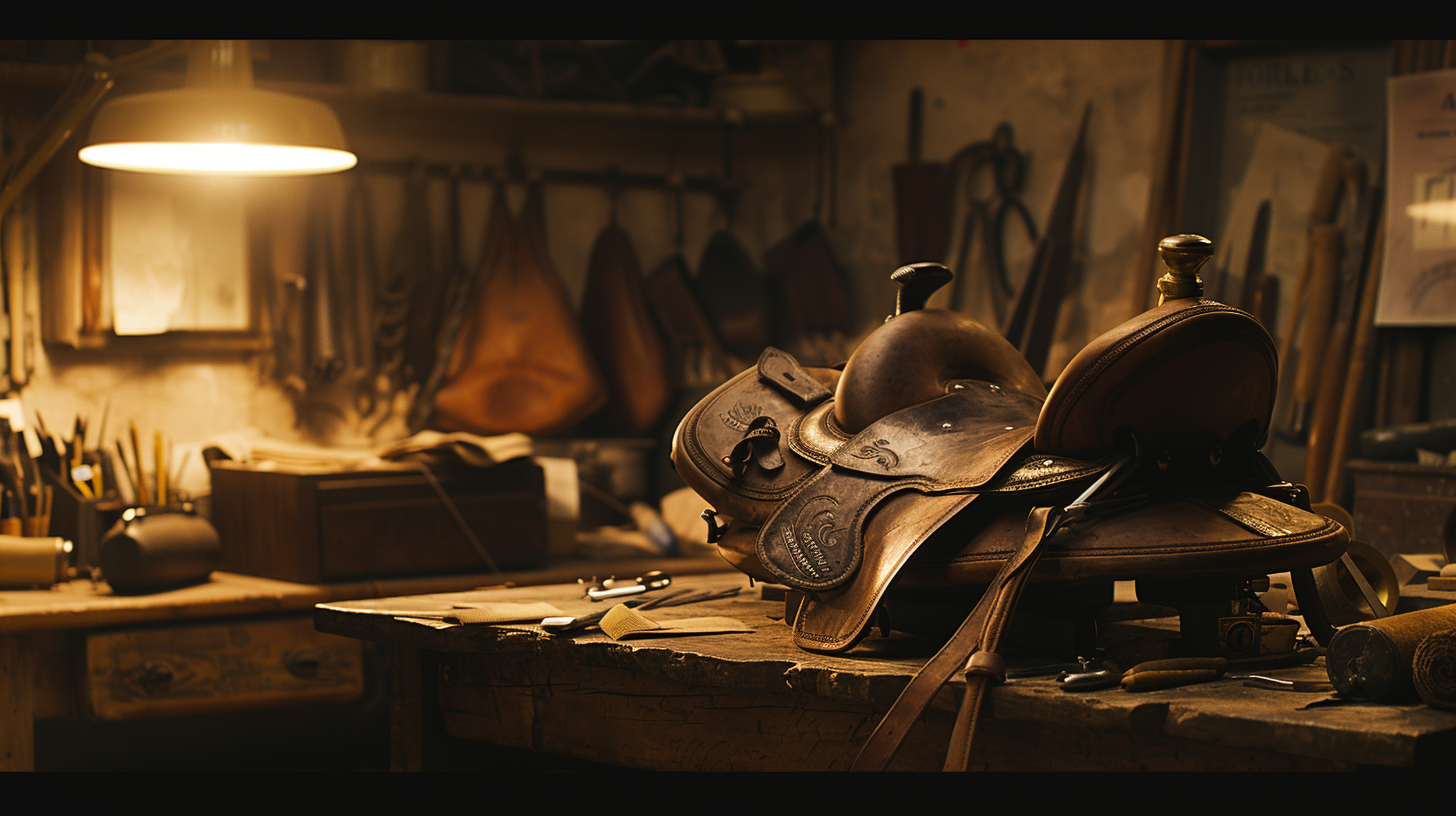
Saddle Construction
A saddle consists of many components, each influencing the rider’s comfort and the horse’s well-being. Below are the most important parts and their functions:
Tree – the basic frame of the saddle. It is usually made of synthetic materials reinforced with fiberglass or resin, providing both strength and lightness.
Seat – the place where the rider sits. It should fit the rider’s pelvis, be comfortable, and be made of soft, non-slip materials. The shape and depth of the seat affect stability and correct riding position.
Pommel – the highest point at the front of the saddle. In quality saddles it may be adjustable to match the horse’s withers and avoid pressure on sensitive areas of the back.
Cantle – located at the back of the saddle and responsible for shock absorption and distributing the rider’s weight across the horse’s back.
Panels – located underneath the saddle and usually filled with synthetic wool. Their shape adapts to the curvature of the horse’s back to avoid pressure points.
Flaps – the parts where the rider’s legs rest. They can be customized according to leg length and riding discipline, increasing comfort during riding.
Knee blocks and thigh blocks – stabilize the rider’s legs in the saddle and support proper body position. In modern saddles they are often attached with Velcro, allowing adjustment or removal.
Billets – leather straps used to fasten the girth. They must be strong and durable to prevent stretching even under heavy use.
Sweat flap – a leather flap covering the metal fittings and protecting the rider’s leg while increasing riding comfort.
Understanding the saddle’s structure and the functions of its components is essential when choosing and fitting a saddle, as it directly affects both the rider’s comfort and the horse’s health.
Pay Attention to Material and Craftsmanship
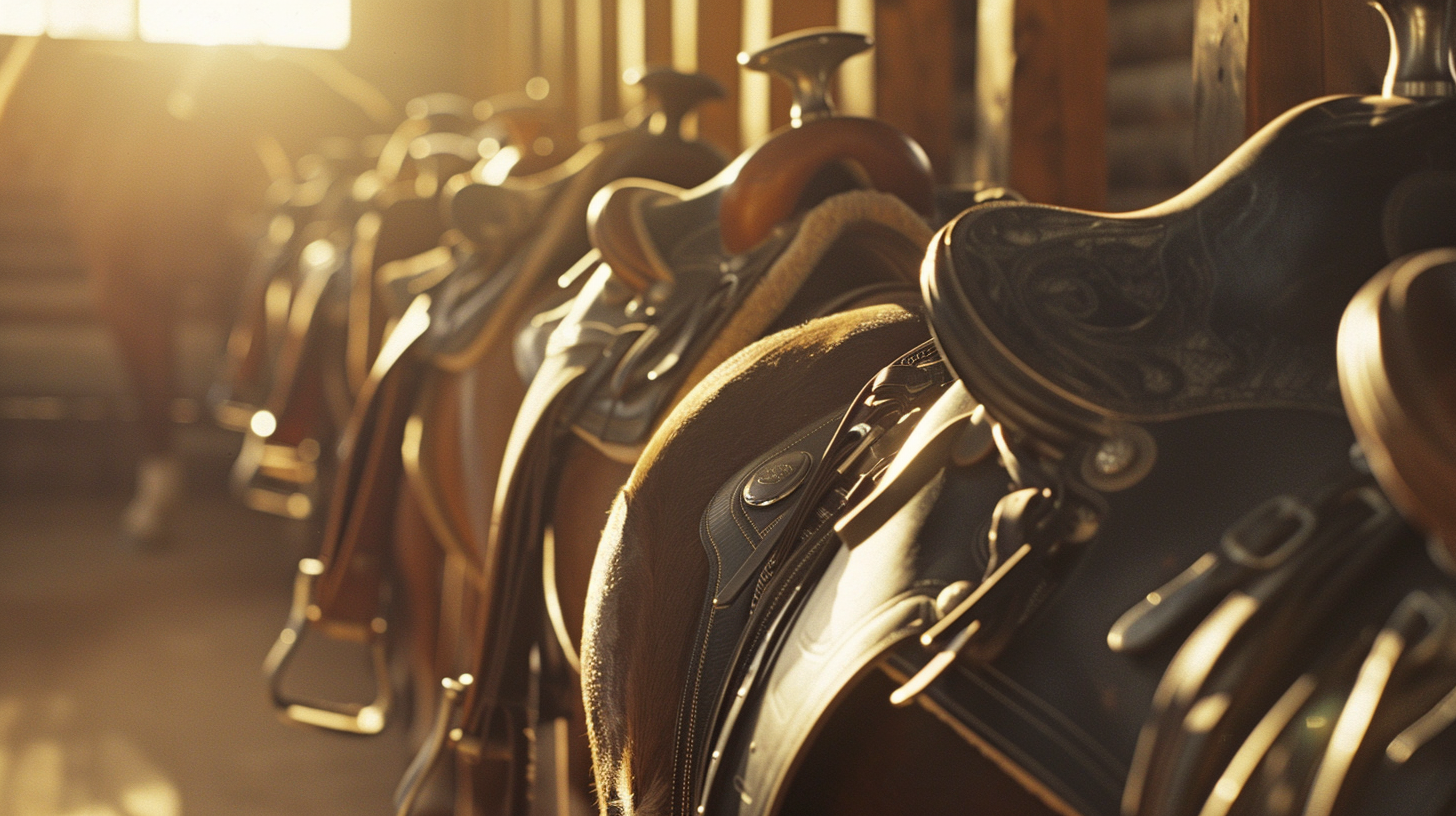
An alternative is synthetic saddles, which are lighter and easier to maintain, making them a popular choice for beginners. When choosing a saddle, pay attention to the quality of craftsmanship—strong stitching, stable stirrups, and a properly fitted girth ensure durability and safety during riding.
Comfort and Adjustability for the Rider
When trying a saddle, always consider your own comfort. Make sure the seat feels comfortable and that the stirrups can be easily adjusted to match your leg length and riding style.
The choice of saddle should also depend on how you feel while riding—whether you have proper support and can maintain a stable position without difficulty. Some saddles allow adjustment of certain components, making them more versatile and suitable for different riders and horses.
The most important adjustable elements include:
Flaps – can be lengthened, shortened, or widened depending on the discipline and the rider’s individual needs.
Blocks – help maintain proper leg position and prevent the legs from slipping forward. They can be adjusted to your preferences or completely removed thanks to Velcro attachments.
Type of leather – available in smooth or non-slip versions, depending on riding intensity. Proper care extends the saddle’s durability and protects it from damage.
Leather color and details – the most popular colors are black and brown. Saddles can also be customized with piping, stitching, and even a personalized nameplate.
Thanks to these options, a saddle can be perfectly adjusted to the rider’s body shape, riding style, and the horse’s conformation, significantly improving comfort and safety during training.
Define Your Needs and Riding Style
The first step in choosing a saddle is determining the type of riding it will be used for. A properly selected saddle affects the rider’s comfort, the horse’s well-being, and overall riding safety.
Before buying a saddle, consider the frequency of training, the horse’s condition and conformation, and your personal riding preferences.
Jumping saddle – designed for jumping over obstacles. It has shorter flaps and a shallower seat, which makes it easier to adopt a half-seat or light seat. Equipped with knee blocks that stabilize the rider during takeoff and landing.
Dressage saddle – characterized by a deep seat and large knee and thigh blocks. It allows the rider to maintain an upright and stable position, ensuring precise balance and control.
All-purpose saddle – combines features of jumping and dressage saddles. It allows freedom of movement and can be used for light jumping as well as riding in various gaits. It does not force a specific riding position.
Endurance saddle – lightweight and minimalist, designed for long-distance riding. It allows riders to ride lightly seated or stand in the stirrups for extended periods, ensuring comfort for both rider and horse.
Children’s / pony saddle – designed for young riders. It usually has a narrower tree, a deep and soft seat, and often adjustable knee blocks to support proper leg position and improve safety for children.
Test the Saddle Before Buying
A test ride allows you to evaluate how the saddle affects comfort and control while riding. Remember that investing in a properly fitted saddle is the foundation of comfortable and safe riding, so it is worth taking the time to find the model that best suits your needs.