




Choose the Right Length of Stirrup Leathers
The length of stirrup leathers is crucial for ensuring comfort and proper posture while riding. In dressage, longer stirrup leathers are typically used because they allow the rider to maintain an upright posture and better contact with the horse.
In jumping, however, stirrup leathers should be shorter, which allows the rider to adopt a two-point position and maintain flexibility of movement during takeoff and landing. When choosing stirrup leathers, it is important to pay attention to the adjustment system so you can easily adapt their length to your riding style.
In jumping, however, stirrup leathers should be shorter, which allows the rider to adopt a two-point position and maintain flexibility of movement during takeoff and landing. When choosing stirrup leathers, it is important to pay attention to the adjustment system so you can easily adapt their length to your riding style.
Choosing the Material – Leather or Synthetic?
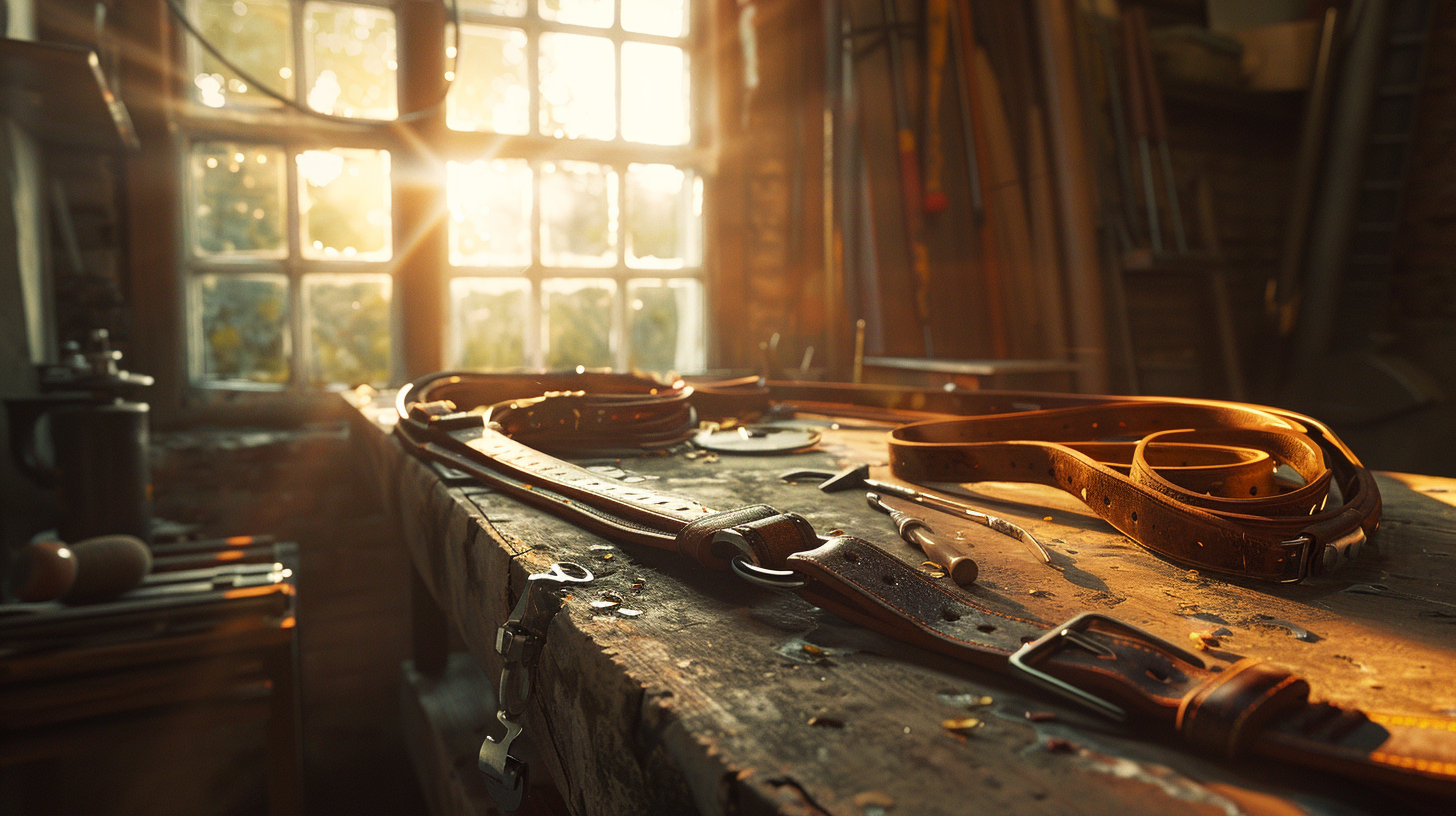
The material of the stirrup leathers affects their durability and comfort of use. Leather stirrup leathers are durable, aesthetically pleasing, and match well with traditional saddles, but they require regular care and maintenance.
Synthetic stirrup leathers are an alternative option. They are lighter, easier to maintain, and often more resistant to stretching. Leather stirrup leathers can be a good choice for more advanced riders, while synthetic ones are ideal for those who value convenience and low maintenance.
Synthetic stirrup leathers are an alternative option. They are lighter, easier to maintain, and often more resistant to stretching. Leather stirrup leathers can be a good choice for more advanced riders, while synthetic ones are ideal for those who value convenience and low maintenance.
Check the Width and Durability of Stirrup Leathers
The width of the stirrup leathers affects riding comfort—wider leathers can provide greater stability, especially during more intensive riding. When choosing stirrup leathers, it is also important to consider their durability.
They should be resistant to stretching and damage in order to ensure safety. High-quality stirrup leathers, regardless of the material, should withstand heavy loads without the risk of breaking.
They should be resistant to stretching and damage in order to ensure safety. High-quality stirrup leathers, regardless of the material, should withstand heavy loads without the risk of breaking.
Matching Stirrup Leathers to the Saddle and Riding Style
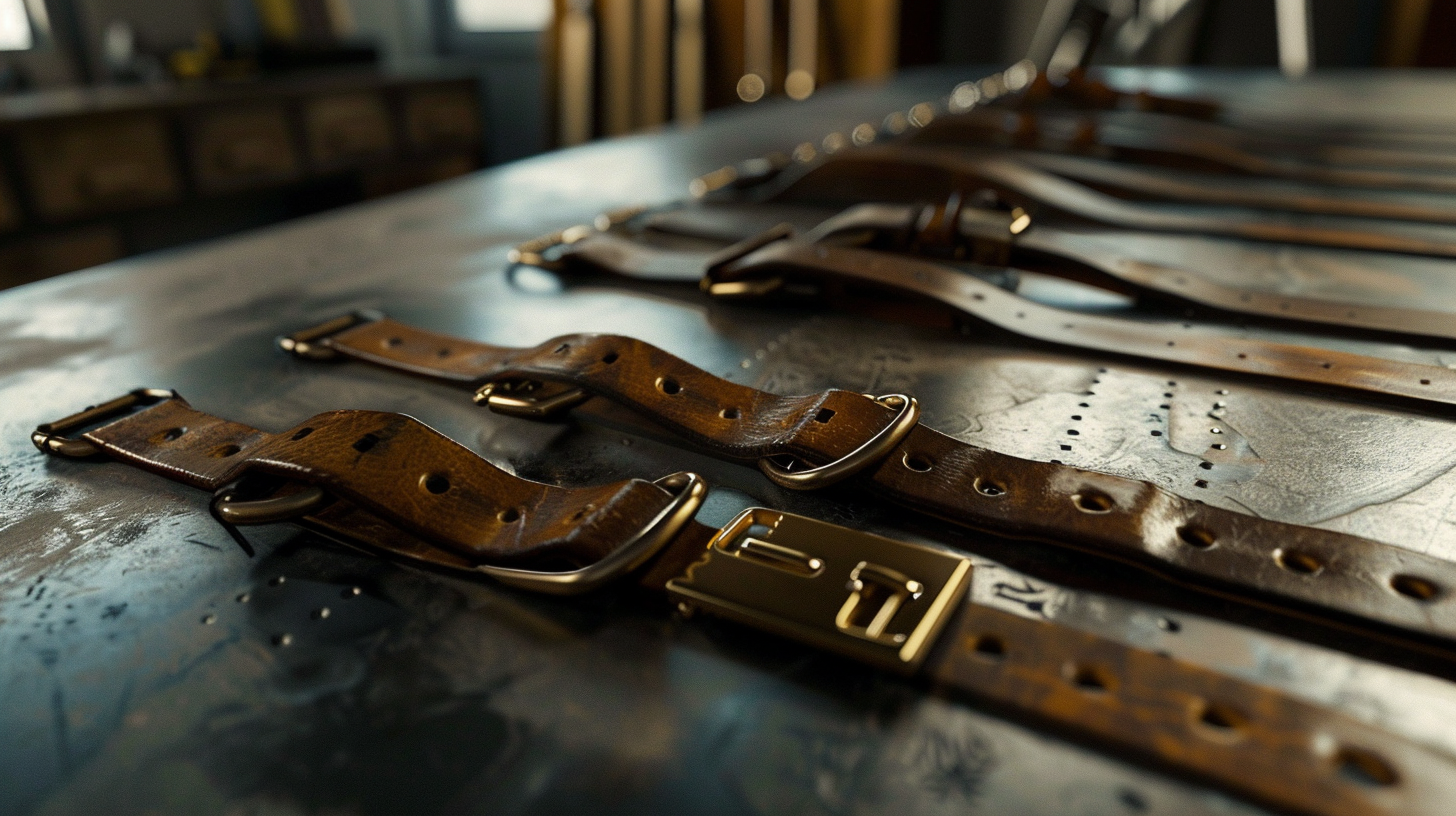
Stirrup leathers should be compatible with your saddle, so it is worth checking whether the chosen model will work well with your specific type of saddle.
Different disciplines, such as dressage or jumping, have different requirements when it comes to stirrup leather length and style. Therefore, they should be selected according to your needs and the type of saddle you use.
When fitting stirrup leathers, make sure they can be easily adjusted and that they are compatible with the type of stirrups you use.
Different disciplines, such as dressage or jumping, have different requirements when it comes to stirrup leather length and style. Therefore, they should be selected according to your needs and the type of saddle you use.
When fitting stirrup leathers, make sure they can be easily adjusted and that they are compatible with the type of stirrups you use.
Caring for Stirrup Leathers – An Investment in Longevity
Regardless of the material they are made from, stirrup leathers should be properly maintained to ensure they last as long as possible.
Leather stirrup leathers require regular conditioning to maintain flexibility and prevent cracking. Synthetic stirrup leathers are easier to care for—simply wiping them with a damp cloth after each ride is usually enough to remove dirt.
Regular maintenance increases the durability of stirrup leathers and improves safety while riding, so it is important to take care of them to avoid unpleasant situations.
Leather stirrup leathers require regular conditioning to maintain flexibility and prevent cracking. Synthetic stirrup leathers are easier to care for—simply wiping them with a damp cloth after each ride is usually enough to remove dirt.
Regular maintenance increases the durability of stirrup leathers and improves safety while riding, so it is important to take care of them to avoid unpleasant situations.